
When do Automated External Defibrillators (AEDs) Expire?
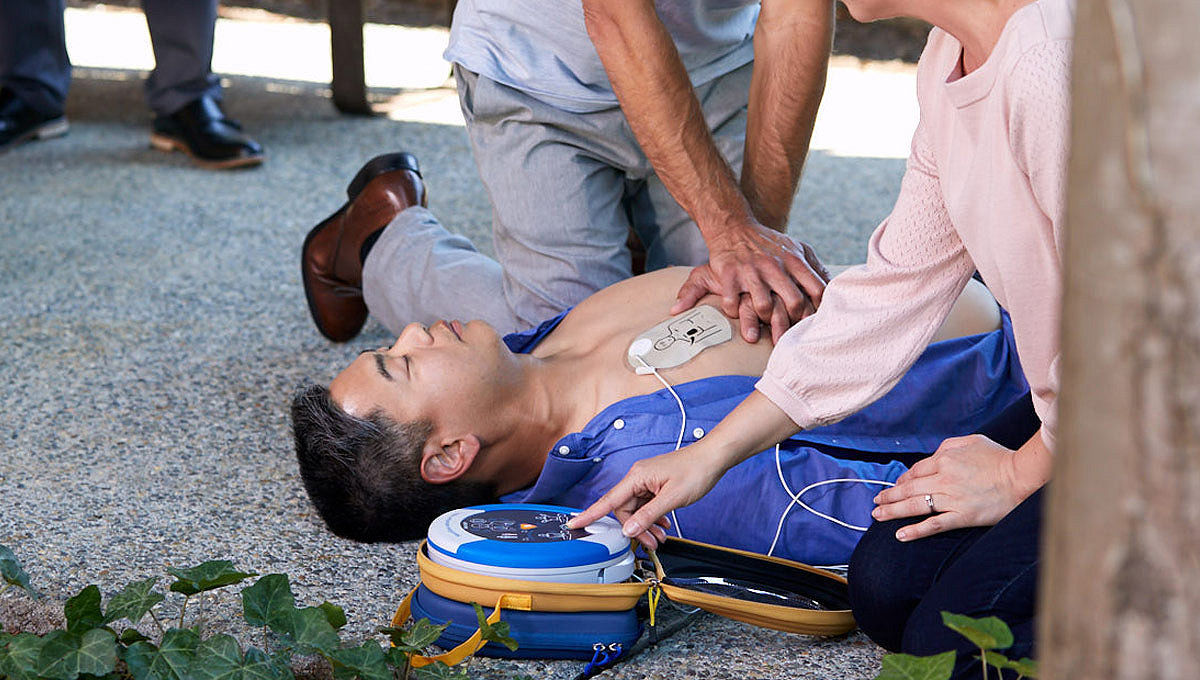
An Automated External Defibrillator (AED) device lasts usually 8 to 10 years. However, its consumable parts expire much sooner. Electrode pads expire every 2 to 4 years because their conductive gel dries out, and batteries expire every 2 to 5 years. Both must be replaced immediately after a rescue.
Using AED pads past their recommended expiration date introduces several critical failure risks that can severely compromise a rescue attempt during a sudden cardiac arrest:
- Gel Dehydration and Poor Adhesion: The specialized conductive gel on the pads dries out over time. When this happens, the pads lose their stickiness, making it difficult to keep them attached to a patient’s chest, especially if the person is sweating or during active CPR movement.
- Interference with Rhythm Analysis: Before an AED can deliver a shock, it must accurately analyze the patient’s heart rhythm through the pads. Weak contact or degraded conductive material can distort this signal, causing the device to display error messages or struggle to read the rhythm.
- Ineffective Shock Delivery and Skin Burns: If the gel is degraded or uneven, the electrical current cannot disperse properly across the chest. This can result in an ineffective shock that fails to restart the heart, or it can concentrate the electrical current in a small area, causing localized skin burns or failing to deliver therapy altogether.
- Device Lockout or Error Prompts: Many modern AEDs run regular diagnostic self-tests. If an expired pad’s internal circuitry or RFID chip indicates a compromised state, the AED may register an error, flash a warning light (like a red “X”), or emit a warning beep to signal that it is not rescue-ready.
Checking your AED batteries regularly is essential because a battery’s charge degrades over time, even when the device is just sitting in standby mode performing routine self-tests.
The primary reasons to check and maintain your AED batteries include:
- Preventing Power Failure: AED batteries have a finite lifespan—typically two to five years. As they age, their internal charge depletes. If a battery dies completely, the AED will not power on when you open the lid.
- Ensuring Daily Self-Tests Run: Modern AEDs constantly run automated background diagnostics to check their own internal circuitry, software, and pad connections. A failing battery may not have enough reserve power to complete these vital daily or weekly checks, leaving you unaware that the device has an internal fault.
- Accounting for Environmental Drain: Extreme temperatures (such as being stored in a hot vehicle, an unheated warehouse, or exposed to direct sunlight) can drain lithium batteries much faster than normal, shortening their expected shelf life.
Health Canada recommends that AEDs should be checked regularly in case of an emergency (Source):
- Address service issues that arise from voice or visual prompts or a self-test. Contact the manufacturer when it warns you that servicing is needed.
- Follow the manual’s recommended maintenance and testing schedule and directions carefully. Maintenance will include
- verifying the AED’s status
- checking the pad and accessories
- checking batteries
- cleaning
- Some manufacturers provide checklists. Create a maintenance checklist and schedule if your manual does not have one.
- Always have at least 1 spare battery available. Check the manual for how often you need to change batteries. This applies to rechargeable batteries too. They can lose their energy, even when not in use.
Click here to view our AED Pads and Batteries for sale on the SafeShop!